

Reviewed · CULTURAL VILLAGE TOURS
Livingstone: Amazing Traditional Village Tour
Village life is best learned face to face. This 3.5-hour visit to Muke, a traditional Lozi village about 20 minutes from Livingstone, offers a direct look at daily life, local building methods, and community projects. I especially like the visit to Tusoleke Trust School and the chance to learn simple Lozi words from local people.
I also like that the tour is led by Alex Jakanani, founder of the school and vice-chair of the Simonga World Development Committee. The main consideration is practical: water is not included, so you must bring enough for the full outing, along with sunscreen and insect repellent.
In This Review
- Key details at a glance
- A short ride from Livingstone to Muke village
- Meeting Alex Jakanani and understanding the community
- Walking through traditional Lozi buildings
- Learning how local alcohol is made
- Tusoleke Trust School and time with the children
- Coffee, tea, and the small comforts
- What the $50 price really covers
- Who will enjoy this half-day visit
- Practical planning for the 3.5-hour outing
- How this tour compares with a standard sightseeing stop
- Should you book the Muke village tour?
- FAQ
- How far is Muke village from Livingstone?
- How long does the tour last?
- What is included in the $50 price?
- Is water included?
- Who leads the tour?
- Is the tour private?
- Can I cancel the booking?
Key details at a glance
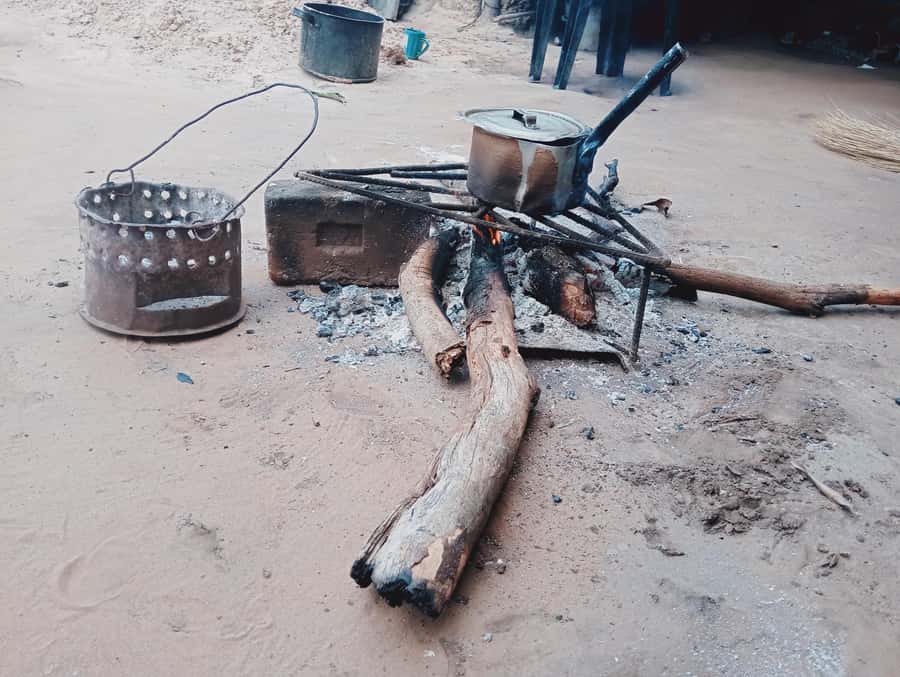
- Muke village is only about 20 minutes from Livingstone, making this an easy half-day outing.
- Alex Jakanani leads the tour, linking the village visit directly to the work of Tusoleke Trust School.
- The school visit includes singing and dancing by the children, adding a lively community element.
- You learn how traditional buildings are made, rather than simply looking at finished structures.
- The tour explains how local alcohol is produced, along with Lozi words and village customs.
- The $50 price supports the school, while transportation, guiding, tea, coffee, and the village walk are included.
A short ride from Livingstone to Muke village

The tour begins with pickup from your hotel or hostel in Livingstone. You are asked to wait in the lobby 10 minutes before the scheduled pickup, and transportation to and from Livingstone is included in the $50 price.
The drive takes about 20 minutes, so you do not lose half a day getting to the village. That matters in Livingstone, where you may also be planning river activities, wildlife outings, or time at the falls. This visit fits neatly into a morning or afternoon.
The group is private, which gives the outing a more personal feel. You are not being moved through a large crowd with a guide trying to keep everyone together. Instead, you can ask questions about village life, the school, local buildings, and Lozi language as the visit unfolds.
Starting times depend on availability, so check the schedule before booking. The tour lasts 3.5 hours, long enough for several stops without turning the visit into an all-day commitment.
More village visits:
- From Victoria Falls: Zimbabwe Traditional Village Tour
★ 4.5 · 57 reviews - Victoria Falls Rural Tour: Village Life Experience
★ 4.5 · 15 reviews - Victoria Falls Gorge Hike & Farm to Table Village Lunch
★ 5.0 · 15 reviews
Meeting Alex Jakanani and understanding the community
Alex Jakanani is more than a guide who points out buildings. He is the founder of Tusoleke Trust School and the vice-chair of the Simonga World Development Committee. That background gives the visit a clear link between village life and local education.
I like this connection because it helps you understand the community through its own priorities. The school is not an unrelated sightseeing stop. It is one of the reasons the tour exists, since all profits go directly toward helping Tusoleke Trust School.
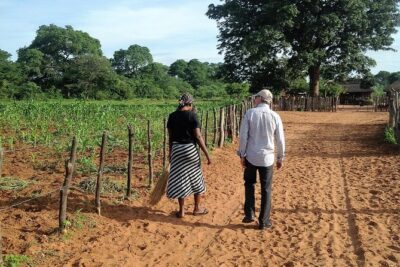
Alex guides the tour in English, explaining the history of Muke village and describing how local families live. You can also learn Lozi words during the walk. Even a few simple words can make the visit more engaging, since language gives you a friendly way to greet people rather than standing back as an observer.
The setting is still a working community, not a museum built for tourism. You should approach the visit with courtesy. Listen when people explain their customs, ask before taking photographs, and remember that children and families are part of daily village life, not scenery arranged for a tour.
Walking through traditional Lozi buildings
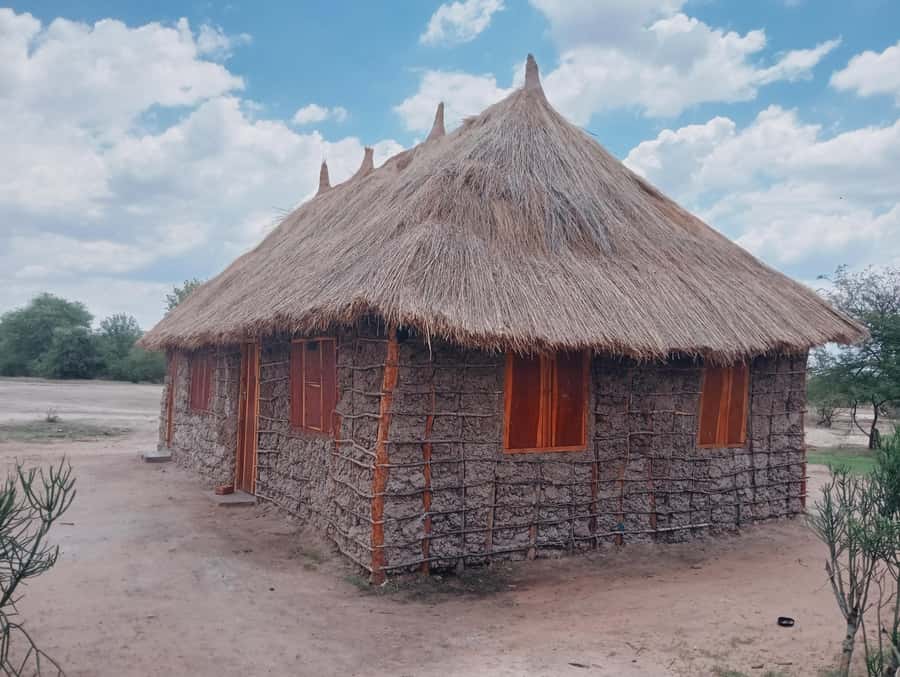
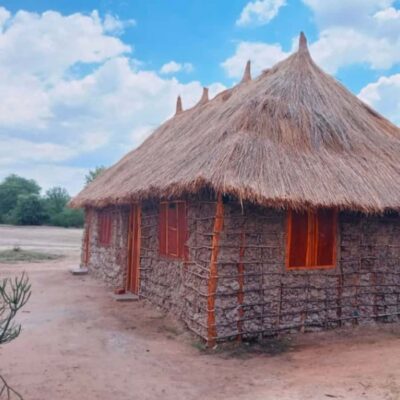
One of the most useful parts of the visit is the explanation of how traditional buildings are constructed. You do not just see the finished homes or structures. You learn about the materials and methods used to build them.
The available details do not specify every material or construction step, so you should expect a practical introduction rather than a technical workshop. Still, this stop helps turn ordinary-looking structures into something you can read and understand.
A house or community building may seem simple at first glance. Once Alex explains how it is put together, you begin to notice the work involved and the way local knowledge is passed along. This is the kind of detail that gives a village walk more meaning.
The walk also gives you a better sense of how homes, school buildings, and community spaces fit into everyday life. Since the tour is private, you can ask for clarification if a building method or local term is unfamiliar.
Wear comfortable shoes and prepare for sun. The tour involves walking outdoors, and sunscreen is specifically recommended. Rain gear is also advised, since conditions can change.
Learning how local alcohol is made

The tour includes an explanation of how local alcohol is produced. This is not simply a tasting stop. The focus is on the process and its place in village life.
You will learn how the drink is made, although the supplied information does not identify the exact ingredients, strength, or amount offered. If you do not drink alcohol, you can still take part in the explanation and ask questions about the process.
This stop adds a useful household skill to the tour. Food and drink production often tell you as much about a community as its buildings do. Here, you get a look at a local practice that might otherwise remain invisible to someone passing through Livingstone.
The activity is best approached with curiosity rather than expectation of a bar-style tasting. The experience is about learning how the alcohol is made, not buying drinks or spending an evening drinking.
A very different kind of day in Zimbabwe:
- Helicopter Scenic Flight over Victoria Falls 12-13 minutes Flight
★ 5.0 · 1,391 reviews - Victoria Falls: Dinner Cruise on the Zambezi River
★ 4.9 · 925 reviews - Victoria Falls: Chobe National Park Day Trip with Lunch
★ 4.7 · 518 reviews - Dinner Cruise on the Zambezi River
★ 5.0 · 518 reviews
Tusoleke Trust School and time with the children
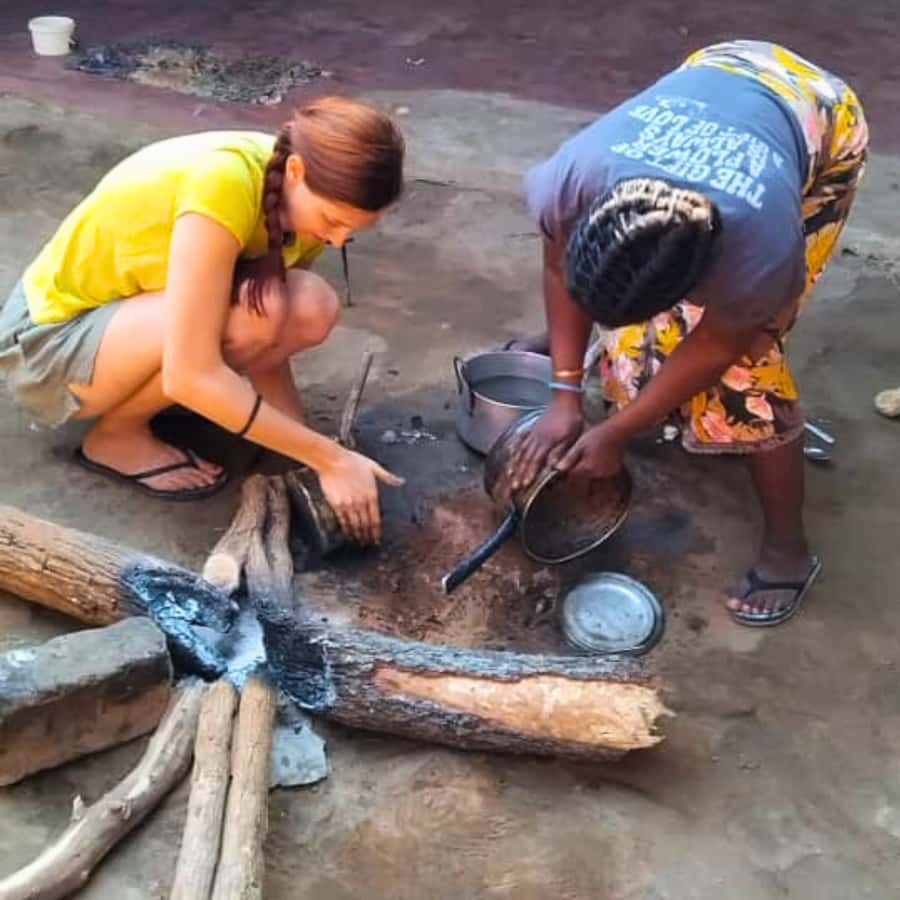
The school visit is likely to be the most memorable part for many families. You visit Tusoleke Trust School, the community project supported by the tour income, and see part of its daily setting.
The children may sing and dance during the visit. That gives the stop a warm, human quality, and it helps you see the school as a living community space rather than a name on a donation page.
The tour also allows time to interact with the children. Children can be naturally curious and friendly, but you should keep the contact respectful and follow Alex’s guidance. Play should never become intrusive, and parents or teachers may set limits on photographs or interaction.
I like the school visit because it gives the $50 price a clear purpose. You are not only paying for transport and a private guide. Some of the money goes toward a local education project, so the outing connects sightseeing with practical community support.
At the same time, keep your expectations sensible. The school visit is part of a 3.5-hour village tour, not a full volunteer placement or an education program. You are there to learn, meet people, and support the school through the tour.
Coffee, tea, and the small comforts
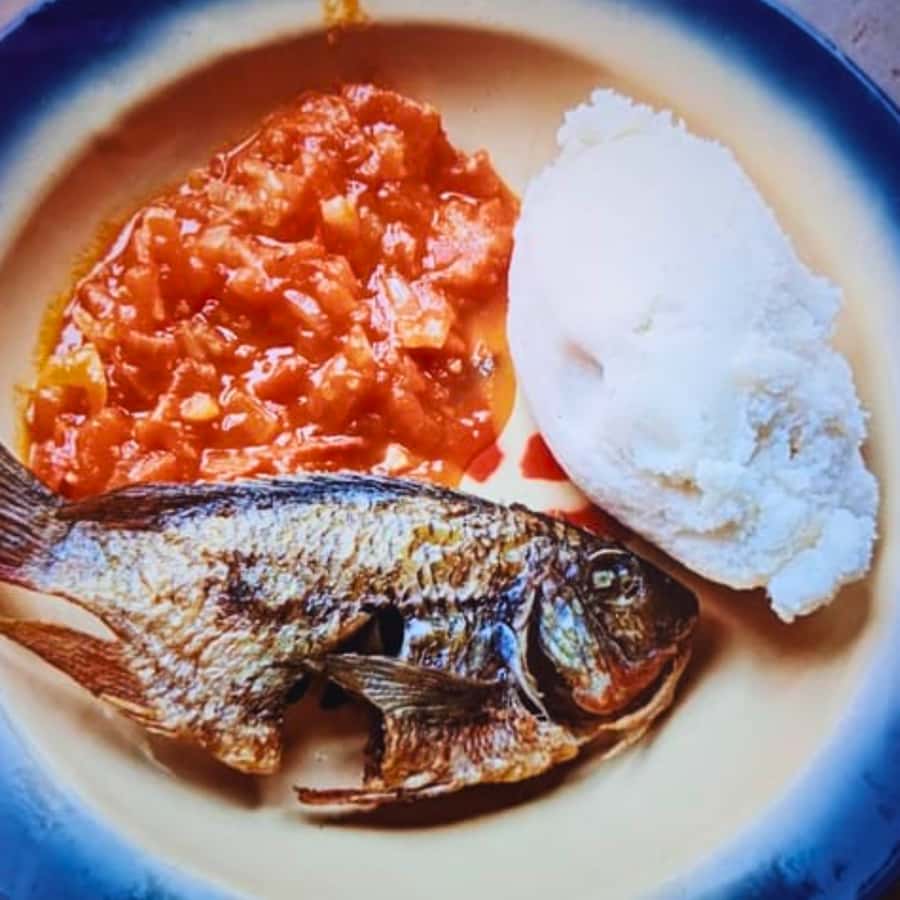
Coffee and tea are included, which gives the outing a pleasant pause. A warm drink can also create an easy moment for conversation after the village walk and school visit.
Water is not included. This is the most important packing detail for the day. Bring enough water for the entire trip rather than assuming you can refill along the way.
You should also pack sunscreen, biodegradable insect repellent, and rain gear. These are simple items, but they matter during an outdoor visit. The tour description specifically warns you to bring enough water, so treat that as essential rather than optional.
The coffee and tea should not be mistaken for a full meal. No food is listed as included, so eat beforehand or make your own meal plans around the tour time.
What the $50 price really covers
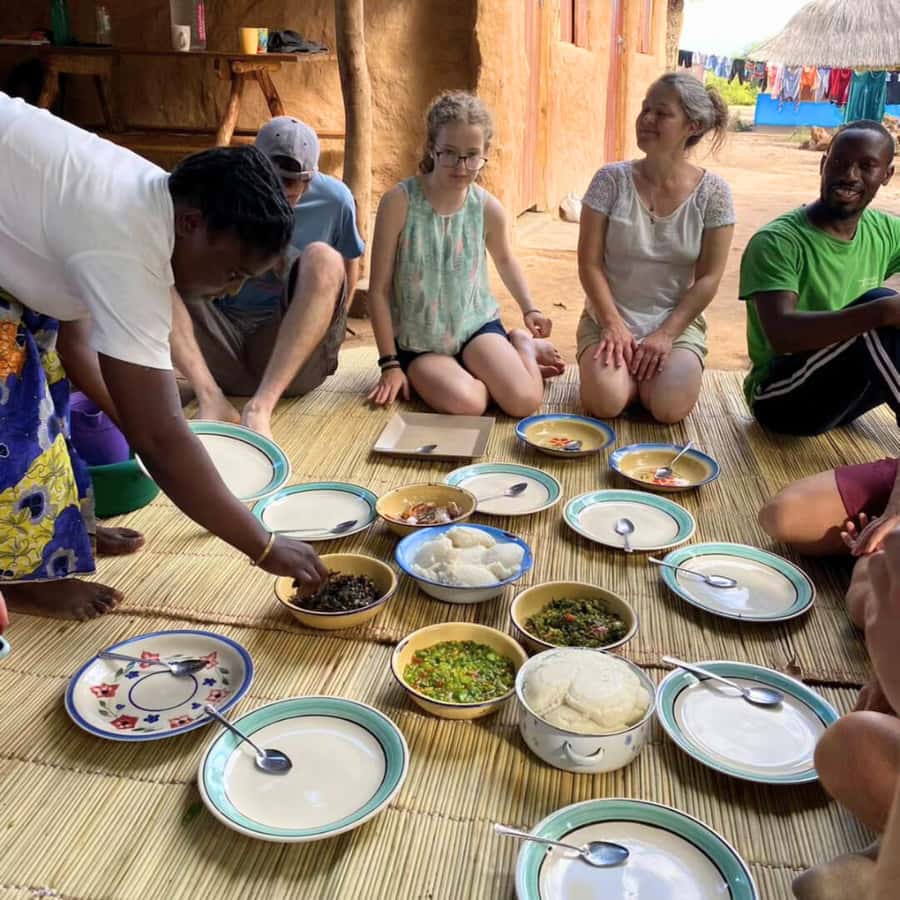
At $50 per person, the experience costs more than a basic transfer to a nearby village. The price includes transportation from Livingstone, a private English-speaking guide, the village walk, the school visit, lessons about local buildings and alcohol production, Lozi words, coffee, and tea.
The strongest value comes from the combination of access and purpose. You receive a personal introduction to Muke village, while the tour income supports Tusoleke Trust School. That makes the cost easier to justify for someone who wants a community-focused outing rather than another general sightseeing drive.
A private group also adds value. You do not have to match the pace or interests of a large mixed group. If you want to ask about village history, school life, or local customs, the format gives you room to do so.
The price may feel high if you only want a quick look at rural buildings or a short cultural stop. It is a better fit if you value direct contact, an English-speaking guide with local community ties, and a clear education benefit.
Who will enjoy this half-day visit
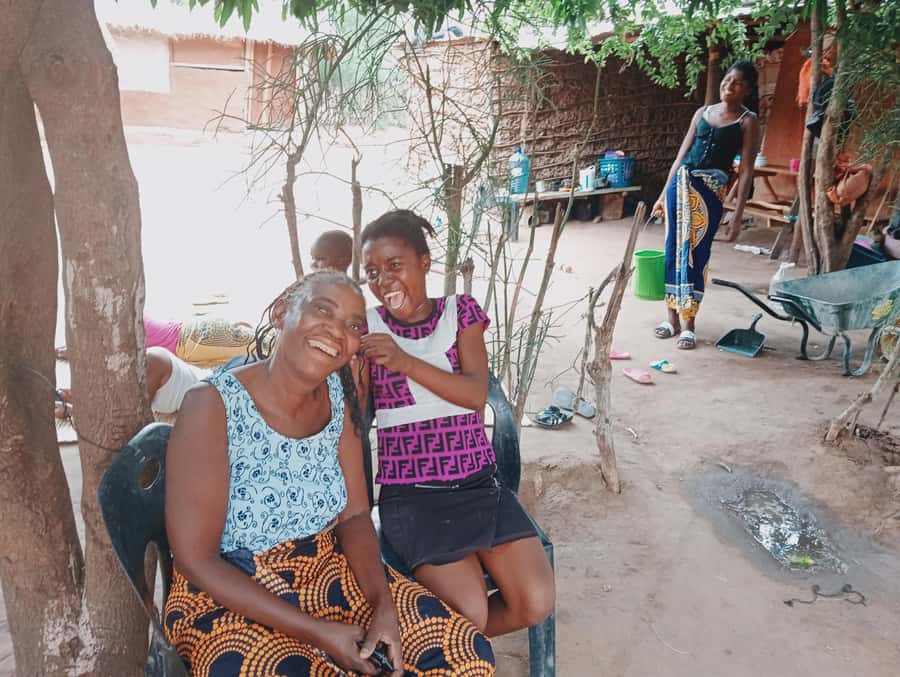
I would recommend this tour to you if you want to understand how people live near Livingstone, not just photograph major sights. It suits families, couples, and small private groups who enjoy conversation and are comfortable spending time outdoors.
Families may especially appreciate the school visit and the chance for children to meet local children. Parents should still explain respectful behavior before the tour, especially around photographs and physical play.
It also suits anyone interested in community projects. Since Alex founded Tusoleke Trust School, you get a direct explanation of how the school fits into local life and how tour income helps it.
You may want to choose another activity if you prefer wildlife, dramatic scenery, or a fast-moving schedule. This is a people-focused visit. Its rewards come from listening, asking questions, and noticing ordinary details.
Practical planning for the 3.5-hour outing
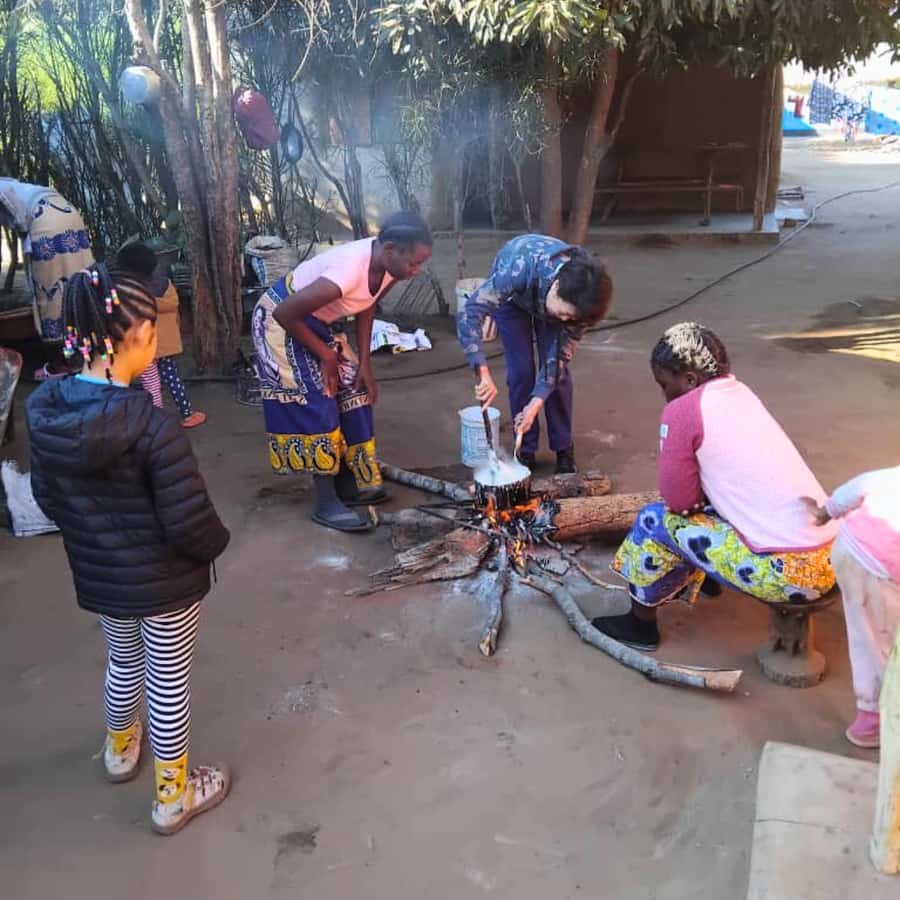
Wear light, comfortable clothing suited to warm outdoor conditions. Good walking shoes will make the village walk easier, although the exact walking surface is not specified.
Bring a full bottle of water, sunscreen, biodegradable insect repellent, and rain gear. A small bag is useful for keeping these items close during the walk.
Keep your pickup simple. Wait in your hotel or hostel lobby 10 minutes before the arranged time. Because pickup is included, you do not need to arrange a separate taxi to the village.
The tour is offered in English and uses a live guide. If you have questions about local terms or customs, ask them during the visit. The private format should make it easier to pause and talk.
Free cancellation is available up to 24 hours before the tour for a full refund. You can also reserve now and pay later, which helps if your Livingstone schedule is still changing.
How this tour compares with a standard sightseeing stop
A standard sightseeing stop gives you a place to see. This tour gives you people, explanations, and a community purpose.
You learn how buildings are made, how local alcohol is produced, and how Lozi words are used. You visit a school supported by the tour, and you spend time with local children and adults. Those details make the experience more personal than simply driving past a village.
The tradeoff is that the visit depends on respectful social contact. If you want total independence, quiet time, or a set of dramatic photographic viewpoints, this may not be the right choice.
The available rating is 4.7 from four verified bookings, with top marks recorded in July and September 2025. The strongest praise focuses on understanding village life, meeting friendly people, and the guide’s warm approach. The school singing and dancing also add a memorable moment for families.
Should you book the Muke village tour?
Book it if you want a short, private cultural outing with a clear local benefit. The school connection, Alex Jakanani’s role in the community, and the chance to learn about Lozi life give the $50 price real substance.
Bring your own water, expect outdoor walking, and treat the school and village with respect. If those conditions suit you, this is a thoughtful way to spend 3.5 hours near Livingstone while supporting Tusoleke Trust School.
FAQ
How far is Muke village from Livingstone?
Muke village is about 20 minutes from Livingstone by transport.
How long does the tour last?
The tour lasts 3.5 hours.
What is included in the $50 price?
The price includes transportation to and from Livingstone, an English-speaking local guide, the village walk, lessons about local alcohol production, Lozi words, a visit to Tusoleke Trust School, coffee, and tea.
Is water included?
No. You must bring enough water for the entire trip.
Who leads the tour?
Alex Jakanani leads the tour. He is the vice-chair of the Simonga World Development Committee and founder of Tusoleke Trust School.
Is the tour private?
Yes. The experience is offered for a private group.
Can I cancel the booking?
Yes. You can cancel up to 24 hours in advance for a full refund. You can also reserve now and pay later.
Recently added in Zimbabwe
- Victoria Falls: Bush Experience and Stargazing D-F-ES-GB★ 4.3 · 3 reviews
- Victoria Falls National Park: Horseback Safari★ 5.0 · 3 reviews
- From Victoria Falls: Hwange National Park Day Safari★ 4.5 · 3 reviews
- Victoria Falls Private Guided Tour★ 4.5 · 3 reviews
- Great Zimbabwe Ruins Tour from Bulawayo with Picnic Lunch !★ 5.0 · 3 reviews
- African Village Tours★ 4.5 · 3 reviews
- Boma Dinner & The Drum Show Experience★ 4.5 · 3 reviews
- GUIDED TOUR OF THE VICTORIA FALLS ON THE ZAMBIAN SIDE★ 5.0 · 3 reviews
Cultural Village Tours, compared.
Victoria Falls Gorge Hike & Farm to Table Village Lunch
Read our review →
Victoria Falls Rural Tour: Village Life Experience
Read our review →
Cultural Village Tour,Interacting With the Communal Villagers (Educational Trip)
Read our review →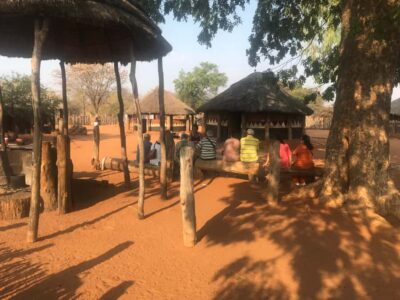
Browse the lists this tour appears in