
Reviewed · GREAT ZIMBABWE TOURS
Great Zimbabwe
Stone walls tell an enormous story. This full-day Great Zimbabwe tour combines ancient dry-stone ruins with a guide-led visit, a museum of Zimbabwe bird carvings, traditional mbira music, and a Zimbabwean barbecue lunch. I especially like the small-group limit of eight and the chance to see the Great Enclosure, hill complex, and valley ruins without rushing. The main drawback is the road time: you may spend four to four and a half hours each way, depending on your pickup point.
I also like the practical touches. Hotel pickup starts around 6:00 am, breakfast or brunch is included, and guides such as Blessing have been praised for explaining the day clearly and adjusting to the needs of a private or very small group. This is a long day, but it gives Great Zimbabwe the time and attention it deserves.
In This Review
- Great Zimbabwe tour highlights
- Why Great Zimbabwe deserves a full day
- The long morning drive from your hotel
- The Great Enclosure and its sweeping stone walls
- The hill complex and valley ruins
- Chevron patterns, Shona engineering, and the meaning of the site
- Zimbabwe bird sculptures in the museum
- Mbira music and the cultural village
- Zimbabwean lunch after the ruins
- Is $260 per person good value?
- Who will enjoy this tour most?
- Should you book the Great Zimbabwe tour?
- FAQ
- How long does the Great Zimbabwe tour last?
- What time does the tour begin?
- How many people can join the tour?
- Is hotel pickup available?
- What should I bring?
- Can I cancel for a full refund?
Great Zimbabwe tour highlights
- A 12-hour journey to Zimbabwe’s greatest archaeological site, with pickup offered and a maximum of eight people.
- Three major areas of the ruins, including the Great Enclosure, hill complex, and valley ruins.
- Original chevron designs and Zimbabwe bird sculptures, linking the stonework to symbolism and national identity.
- A guided explanation of ancestral Shona architecture, built entirely with freestanding dry-stone walls.
- Zimbabwean food and traditional mbira music, adding living culture to the archaeological visit.
- A small-group format for $260 per person, with free cancellation up to 24 hours before departure.
Why Great Zimbabwe deserves a full day
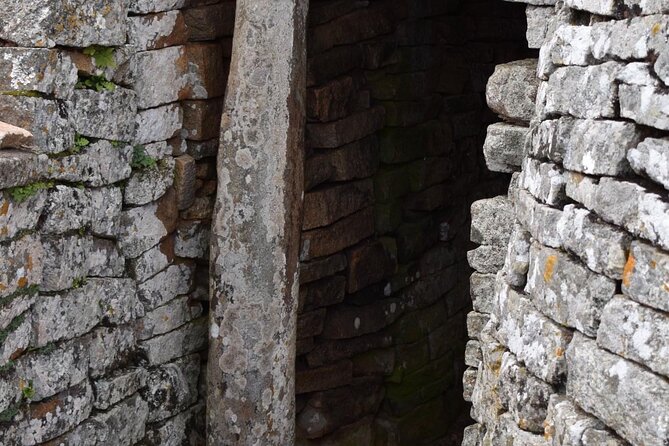
Great Zimbabwe is not a quick roadside stop. The site was founded in the 9th century and grew into the center of a powerful Shona kingdom. Its walls were made without mortar, yet many remain standing in sweeping curves and carefully fitted layers of stone.
The scale is what first grabs you. The ruins are described as second only to Egypt’s pyramids in size, a useful comparison for understanding their importance, even though the two sites are very different. Great Zimbabwe is not a single monument. It is a broad complex of walls, enclosures, elevated areas, and former living spaces.
I like that this tour treats the place as more than an impressive pile of rocks. The guide helps explain how the buildings worked, what the patterns may have meant, and what the ruins reveal about the society that created them. Without that context, you can admire the masonry but miss the human story.
The site is also a UNESCO World Heritage Site and Zimbabwe’s cultural heartland. You are seeing the place that gave the modern country its name. That makes the visit important even for people who are not usually drawn to archaeology.
More Great Zimbabwe tours:
- Great Zimbabwe Tour from Harare
★ 5.0 · 6 reviews - Great Zimbabwe: The World’s View Historical Site !!
★ 5.0 · 4 reviews - MASVINGO; GREAT ZIMBABWE MONUMENT TOUR – FROM HARARE
★ 5.0 · 4 reviews
The long morning drive from your hotel
The tour begins at about 6:00 am with pickup. That early start is sensible because the total experience lasts roughly 12 hours, and the drive can take much of the morning. From some starting points, including Bulawayo, the journey to Great Zimbabwe can run about four to four and a half hours each way.
That is the biggest practical question to ask yourself before booking: do you want to spend a full day reaching one major site? I would say yes if Great Zimbabwe is high on your Zimbabwe itinerary, but I would not pretend the road time is minor.
A private or very small group makes the drive easier. With only two people, one visitor had a personal trip with guide and driver Blessing. A group of eight is still much more manageable than a large coach. You can ask questions, stop for comfort when appropriate, and hear the guide without straining to follow a speech from the front of a bus.
Breakfast is provided later in the morning and may feel more like brunch after the early pickup and long drive. That is a useful inclusion, not a decorative extra. You will want food before walking around the ruins, especially on a hot day.
Bring water if you have it, along with a hat, sunglasses, sunscreen, and insect repellent. Closed-toe walking shoes are important. The tour information specifically recommends them, and the site visit includes enough walking that thin sandals are a poor choice.
The Great Enclosure and its sweeping stone walls
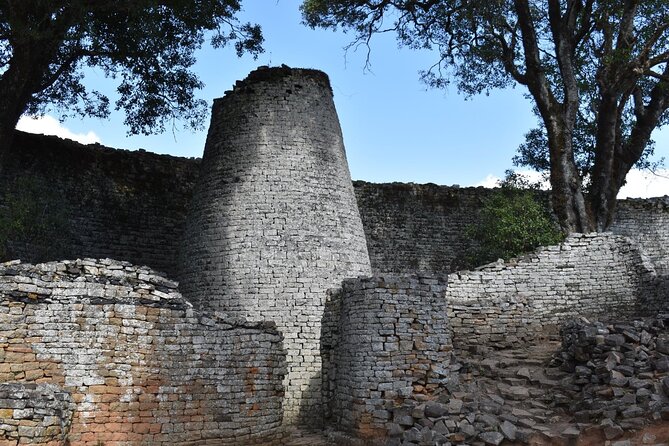
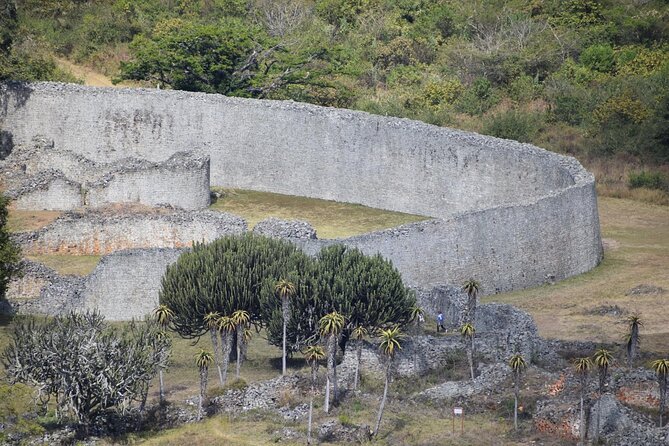
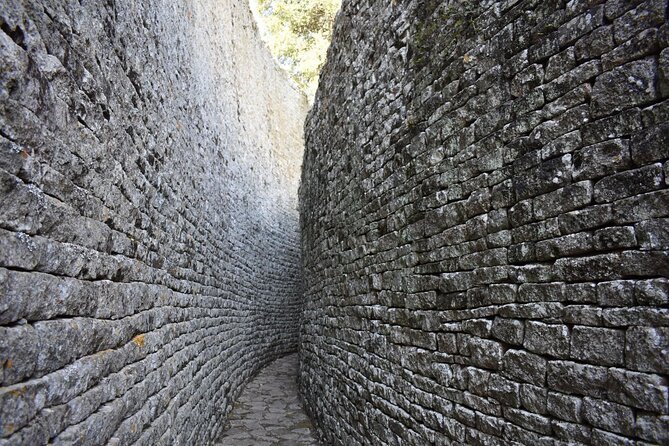
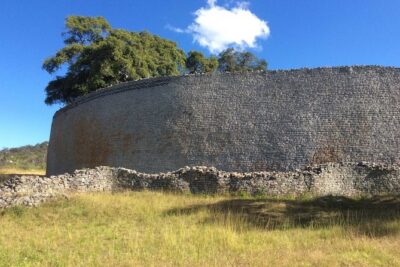
The Great Enclosure is likely to be the visual centerpiece of your visit. Its curved dry-stone walls show how much skill went into placing stone without mortar. The construction is both strong and graceful, with long lines that make the enclosure feel larger as you move around it.
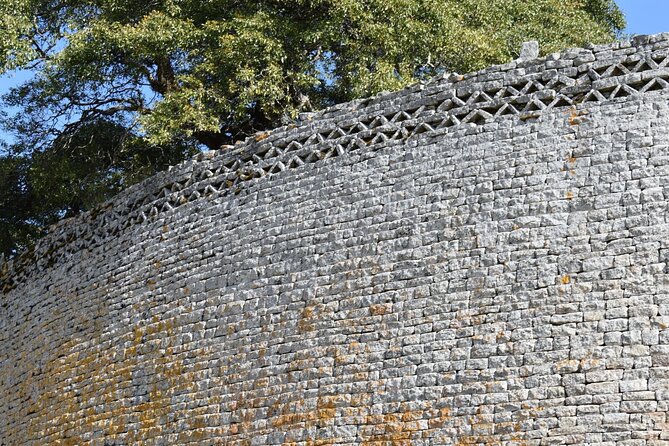
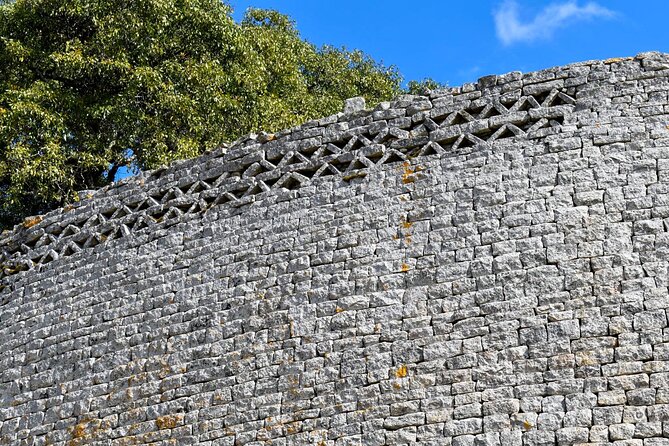
A guide is especially useful here. The walls can look repetitive at first, but details begin to matter once someone points them out. Look for the original chevron patterns, which are linked to fertility symbolism. These repeated shapes are not random decoration. They help you see the site as a place shaped by beliefs, social order, and ceremony.
The description of the ruins as a city matters, too. Great Zimbabwe was not just a ceremonial wall in an empty field. It was connected to a larger kingdom and a former culture with its own political power, trade, architecture, and religious life.
I appreciate that the tour gives the enclosure time rather than treating it as a photo stop. Still, you should expect a substantial outdoor visit, not a museum-style walk on a flat indoor floor. Sun, heat, and uneven walking can affect your pace, so use the guide’s explanation as a reason to pause in the shade when possible.
The hill complex and valley ruins
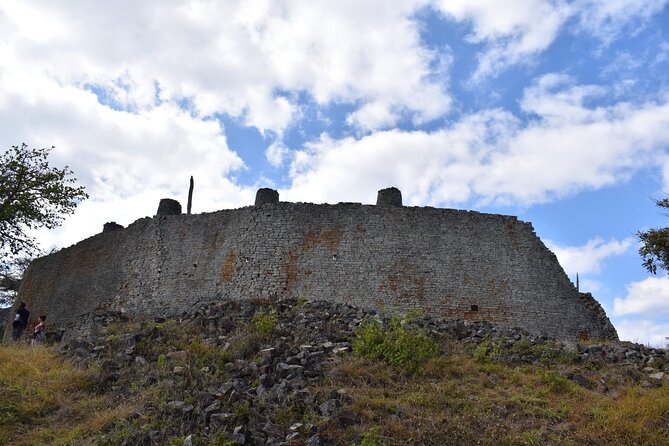
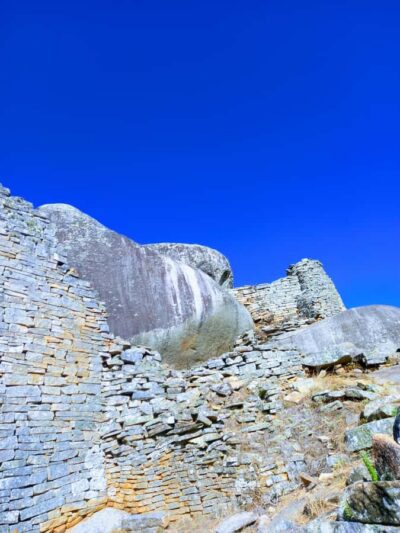
The hill complex adds a different feel to the visit. From the name alone, you should expect some walking on sloping ground, so sturdy shoes are worth packing. This part of Great Zimbabwe helps you understand that the city was arranged across more than one setting.
The valley ruins broaden the picture again. Together, these areas show how the settlement extended beyond the most famous enclosure. A two-hour guided visit can cover the main parts, but it cannot turn every stone into a long lecture. If you want detailed archaeology, ask questions as you go.
I like the way the three areas fit together. The Great Enclosure gives you the grand walls, the hill complex adds height and movement, and the valley ruins help you picture a wider community. You get a better sense of the place when you see them as parts of one city instead of separate attractions.
The site is often quiet, and the experience may feel surprisingly private. That can be a gift. You have room to listen, take photographs, and notice the stonework without a constant crowd pressing behind you. On the other hand, quiet does not mean the walk is effortless. Plan for a physically active outdoor morning and dress for the weather.
A very different kind of day in Zimbabwe:
- Helicopter Scenic Flight over Victoria Falls 12-13 minutes Flight
★ 5.0 · 1,391 reviews - Victoria Falls: Dinner Cruise on the Zambezi River
★ 4.9 · 925 reviews - Victoria Falls: Chobe National Park Day Trip with Lunch
★ 4.7 · 518 reviews - Dinner Cruise on the Zambezi River
★ 5.0 · 518 reviews
Chevron patterns, Shona engineering, and the meaning of the site
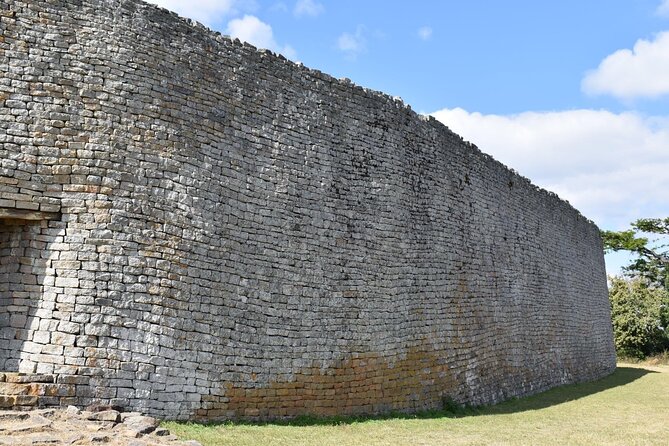
Great Zimbabwe’s construction is the tour’s central lesson. The ancestral Shona builders created freestanding walls entirely from dry stone. The achievement is not only the height or length of the walls, but the precision needed to make them stable without cement or mortar.
The chevron patterns deserve a close look. They are described as symbols connected with fertility, giving the walls a link to ideas about life, growth, and the future of the community. Your guide’s explanation can turn a repeated geometric design into a clue about how people understood their world.
The tour also presents Great Zimbabwe as evidence of the power of the kingdom that built it. That point is easy to miss if you focus only on ruins. Large construction projects require organization, labor, resources, and authority. The stonework tells you something about the society behind it.
I would ask your guide about any detail that catches your eye. This is a small-group trip, so you have a better chance to shape the conversation than you would on a large scheduled tour. The experience works best when you remain curious rather than simply waiting for the next viewpoint.
Zimbabwe bird sculptures in the museum
The site museum provides an indoor change of pace and a close look at original stone carvings of Zimbabwe birds. These sculptures are among the most recognizable symbols connected with Great Zimbabwe and modern Zimbabwean identity.
A museum visit can be easy to overlook after seeing huge walls outdoors, but I would not skip it. The carvings give you a more focused look at the artistic and symbolic side of the culture. The ruins show scale and engineering. The birds show how small, carefully made objects can carry national meaning.
The museum also helps break up the heat of the day. It is not presented as a vast collection, so keep your expectations sensible. Its value comes from the original carvings and the connection they create between the archaeological site and Zimbabwe today.
Mbira music and the cultural village
The cultural village brings the visit into the present. You can hear traditional mbira music, an instrument used as part of life and to communicate with higher spirits. This is a meaningful addition because it connects the ancient site with living cultural practice.
I like this part of the tour because it keeps Great Zimbabwe from feeling sealed in the past. Archaeological ruins can sometimes become silent scenery. Music gives you another way to understand how spiritual and communal traditions continue to matter.
The information provided does not promise a long performance or a hands-on lesson, so I would treat the mbira segment as a cultural encounter rather than a full concert. Listen closely, ask respectful questions, and allow it to complement the stonework rather than compete with it.
Zimbabwean lunch after the ruins
After the main site visit, you receive a hearty Zimbabwean lunch, described as a picnic barbecue. The timing makes sense. After an early start and several hours outdoors, a substantial meal is welcome.
Food is part of what makes this more than a transport service to an archaeological site. You get to pause, eat, and talk through what you have seen. A shared meal can also make a small-group outing feel less formal.
The exact menu is not specified, so do not book this expecting a particular dish. Think of it as a filling Zimbabwean meal included in a long day of sightseeing. If you have dietary needs, confirm them before departure, since no special meal details are provided.
Is $260 per person good value?
At $260 per person, this is not a budget attraction ticket. The value depends on what is included and how much you want to avoid arranging the day yourself.
You are paying for a long round trip, hotel pickup, a guide and driver, breakfast or brunch, the guided ruins visit, museum access, cultural programming, and lunch. A small group capped at eight also gives the tour a more personal feel. If you are traveling as two people and receive a private-style outing, the price becomes easier to justify.
The cost is less attractive if you are already staying close to Great Zimbabwe and can arrange simple local transport and entry on your own. But the tour removes the burden of planning a very long day. You do not need to work out the route, organize meals, or find someone to explain the enclosures and symbols.
Because the tour is commonly booked about 21 days ahead, I would reserve early if your dates are fixed. That is especially sensible if you want a small group or are visiting during a busy period.
Who will enjoy this tour most?
I would recommend this experience to you if Great Zimbabwe is a top priority and you want context, not just photographs. History fans, architecture enthusiasts, first-time visitors to Zimbabwe, and people interested in Shona culture should find plenty here.
It also suits you if you value hotel pickup and a guided day over independent planning. The small maximum group size is helpful for anyone who prefers questions and conversation to a large coach presentation.
You should think twice if you dislike long road journeys or want a relaxed half-day activity. The four-hour-plus drive in each direction can be tiring, and the outdoor walking may feel demanding on a hot day. This is a destination-focused excursion, not a light local outing.
For comfort, wear closed-toe walking shoes and bring a hat, sunglasses, sunscreen, and insect repellent. The tour requires good weather. If poor conditions cancel the outing, you are offered another date or a full refund.
Should you book the Great Zimbabwe tour?
Book it if you want the full Great Zimbabwe experience: the Great Enclosure, hill complex, valley ruins, chevron designs, bird carvings, mbira music, and a Zimbabwean meal, all explained across one carefully planned day.
I would not book it simply because you have a spare morning. The road time is real, and the $260 price reflects transport, guiding, food, and the small-group format. But if this ancient city is one of the places you came to Zimbabwe to see, the combination of access, interpretation, and cultural context makes the long day worthwhile.
Free cancellation is available up to 24 hours before the 6:00 am start time. That gives you some flexibility, but remember that changes or cancellations inside that window are not refunded.
FAQ
How long does the Great Zimbabwe tour last?
The tour lasts approximately 12 hours, including pickup, the journey to the site, the guided visit, cultural activities, lunch, and the return drive.
What time does the tour begin?
Pickup begins at approximately 6:00 am.
How many people can join the tour?
The tour has a maximum of eight travelers, although smaller groups and private outings may occur.
Is hotel pickup available?
Yes. Pickup is offered, though the provided information does not list specific pickup hotels or areas.
What should I bring?
Bring closed-toe walking shoes, a hat, sunglasses, sunscreen, and insect repellent. These items will help with the outdoor walking and weather conditions.
Can I cancel for a full refund?
Yes. You can cancel at least 24 hours before the experience start time for a full refund. If poor weather causes the operator to cancel, you will be offered another date or a full refund.
Recently added in Zimbabwe
- Victoria Falls: Bush Experience and Stargazing D-F-ES-GB★ 4.3 · 3 reviews
- Victoria Falls National Park: Horseback Safari★ 5.0 · 3 reviews
- From Victoria Falls: Hwange National Park Day Safari★ 4.5 · 3 reviews
- Victoria Falls Private Guided Tour★ 4.5 · 3 reviews
- Great Zimbabwe Ruins Tour from Bulawayo with Picnic Lunch !★ 5.0 · 3 reviews
- African Village Tours★ 4.5 · 3 reviews
- Boma Dinner & The Drum Show Experience★ 4.5 · 3 reviews
- GUIDED TOUR OF THE VICTORIA FALLS ON THE ZAMBIAN SIDE★ 5.0 · 3 reviews
Great Zimbabwe Tours, compared.
Great Zimbabwe: The World’s View Historical Site !!
Read our review →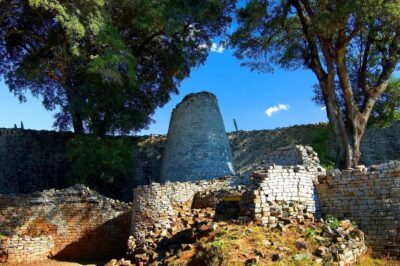
MASVINGO; GREAT ZIMBABWE MONUMENT TOUR – FROM HARARE
Read our review →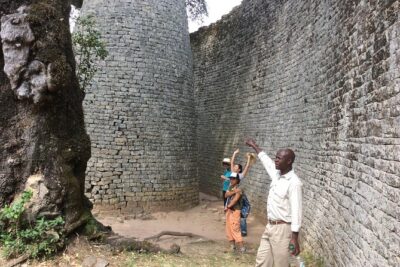
Great Zimbabwe Ruins Tour from Bulawayo with Picnic Lunch !
Read our review →Browse the lists this tour appears in