
Reviewed · CHOBE NATIONAL PARK SAFARIS
3 Days Explore Zambia, Zimbabwe and Chobe Park in Botswana
Three countries fit into three busy days. This tour combines white rhino tracking, Victoria Falls from both Zambia and Zimbabwe, and a full-day Chobe safari, making it a strong choice if you have limited time around Livingstone or Victoria Falls. I especially like the rare chance to walk with rangers near rhinos and the excellent mix of waterfall, culture, and wildlife experiences. The main catch is that the first two days may finish around midday, and the Mukuni Village visit can include pressure to buy crafts.
The $500 price is fair if you value organized border crossings, park fees, guides, transport, the two-part Chobe safari, and the convenience of fitting three countries into one booking. It is less attractive if you already have transport, accommodation, and visas arranged, or if you expect three full days of scheduled activity from morning to evening.
In This Review
- Key points before you book
- Day one: rhinos, Livingstone Museum, and the Zambian falls
- Day two: Mukuni Village and Zimbabwe’s wider waterfall views
- Why seeing the falls from both countries is worth it
- Day three: Chobe by game vehicle and river boat
- Guides, transport, and the human side of the trip
- What the $500 price really covers
- Who should book this three-country trip?
- Should you book it?
- FAQ
- How long is the tour?
- What time is pickup?
- Where can pickup and drop-off take place?
- Is accommodation included?
- Are meals included?
- What visa should I use for the border crossings?
- What age must children be for the wildlife activities?
- Is the tour available in English?
- Can I cancel the booking?
Key points before you book
- Walk near white rhinos: Track rhinos on foot in Mosi-oa-Tunya National Park with experienced rangers.
- See Victoria Falls twice: The Zambian side brings you close to the spray, while Zimbabwe provides broad views from several viewpoints.
- Chobe works best as a full day: The morning game drive and afternoon river cruise give you two very different ways to see wildlife.
- Expect an early start: Pickup is generally between 6:50 and 7:00 a.m. from hotels in Livingstone or Victoria Falls.
- Plan your border documents: A passport and suitable visas are essential, with the KAZA UniVisa recommended for Zambia and Zimbabwe plus a Botswana day trip.
- Leave room for your own plans: The first and second days may leave free time after the main activities.
Day one: rhinos, Livingstone Museum, and the Zambian falls
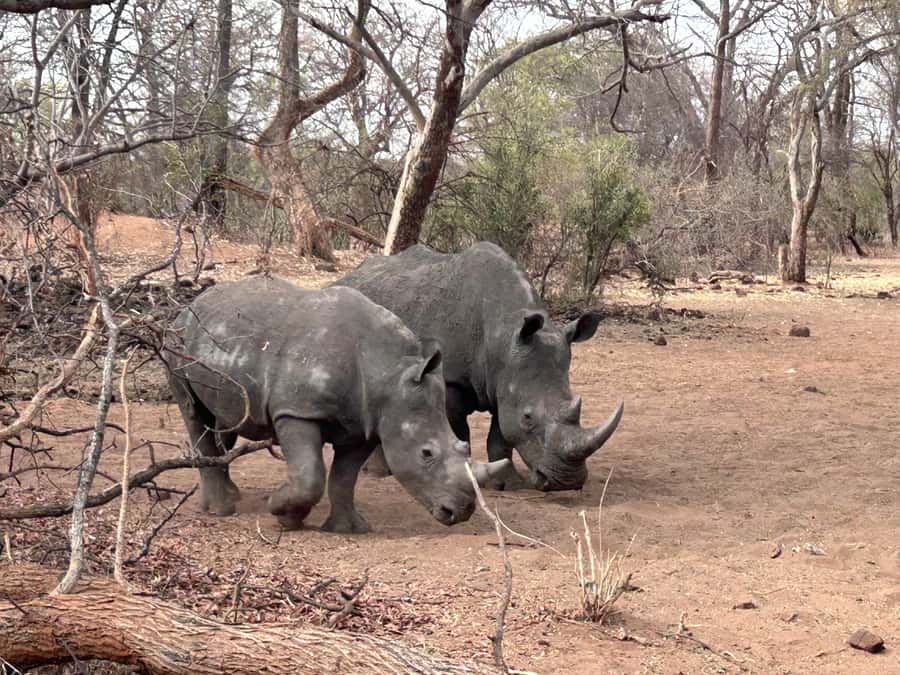
Your first morning begins with a white rhino walking safari in Mosi-oa-Tunya National Park. This is not a vehicle-based wildlife stop where you simply point a camera from a seat. You walk with rangers and track endangered white rhinos on foot, which makes you pay attention to signs, sounds, and distance.
The experience has an important conservation angle. You are seeing animals that need protection, not visiting a zoo enclosure. The pace is also different from a standard game drive. The ranger controls the approach, and you need to follow instructions closely, stay quiet, and avoid sudden movement.
Bring closed, comfortable walking shoes, a hat, sunscreen, insect repellent, and water for your personal use. Binoculars can also help during wildlife viewing. Children must be at least five years old for the rhino tracking and game drive, and anyone under 18 needs an accompanying adult.
After the park, you visit the Livingstone Museum. This is Zambia’s oldest museum and gives the day some useful context before the waterfall visit. The museum covers local history, artifacts, and the story of Dr. David Livingstone. It helps connect the name Livingstone with the wider region rather than treating the falls as an isolated attraction.
Lunch on the first day is not included, so budget for it separately. The same applies to the second day. You should also expect a little waiting and road time between stops, since the tour moves between several attractions rather than keeping you in one area.
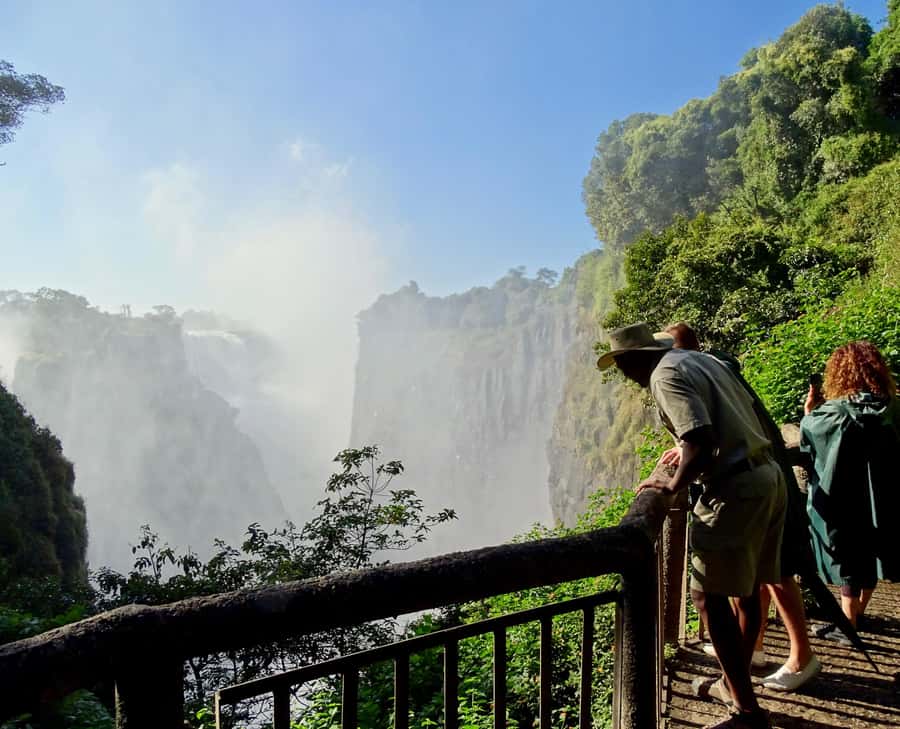
The afternoon brings your first Victoria Falls visit, on the Zambian side. Here you get close to the falling water and feel the spray that earned the falls the local name Mosi-oa-Tunya, often translated as Smoke That Thunders.
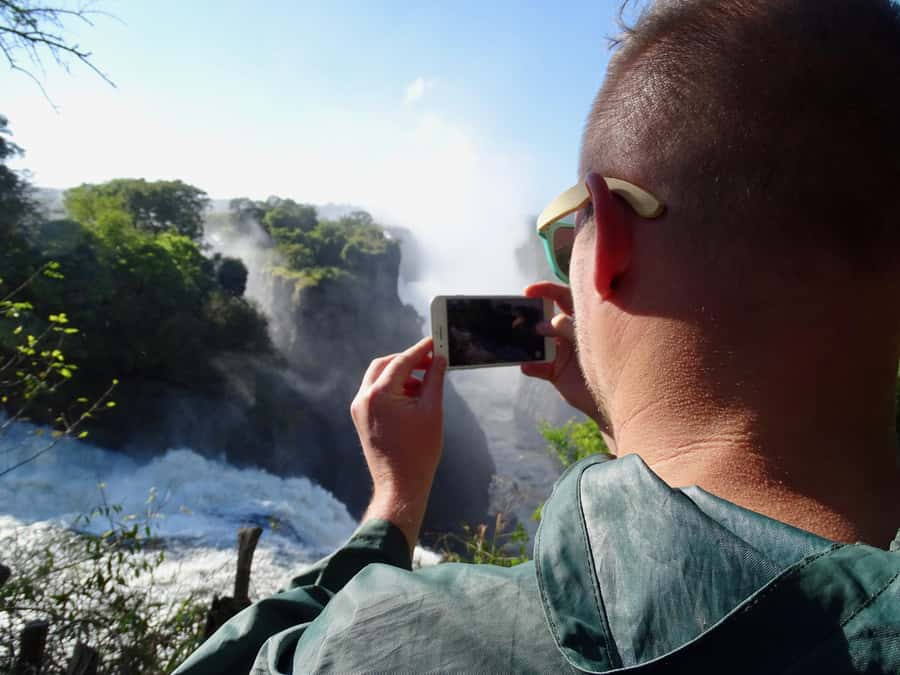
The Zambian viewpoints can feel immediate and wet, especially when water levels are high. Pack a light rain jacket, even in warm weather, and protect cameras and phones from spray. A hat helps with the sun, but it will not do much against heavy mist.
One useful point about the schedule is that day one may not run until sunset. One account of the trip found the first two days finished around noon, leaving time to explore independently. That is not necessarily a weakness. It gives you space for a relaxed lunch, a rest at your lodge, or another local activity. Still, you should not book this tour expecting a tightly filled three-day program.
More Chobe day trips:
- Chobe Day Trip From Victoria Falls Zimbabwe
★ 4.5 · 196 reviews - Chobe Full Day Trip From Victoria Falls
★ 4.5 · 135 reviews - Chobe Full Day Safari Trip
★ 4.5 · 80 reviews
Day two: Mukuni Village and Zimbabwe’s wider waterfall views
The second morning takes you to Mukuni Village, a traditional Leya village in Zambia. The visit focuses on local customs, artisans, and everyday culture. It offers a change of pace after the wildlife and waterfall scenery.
The cultural stop can be worthwhile because it puts local people and crafts at the center of the day. You get a chance to meet artisans and see how the village presents its traditions. Go with an open mind, but also remember that this is an organized visit connected to a craft market.
The practical issue is the buying atmosphere. You may feel encouraged to purchase goods, and bargaining can become uncomfortable if you feel that you are expected to buy after the village tour. Decide in advance what you want to spend. If you do not want anything, be polite and clear rather than making promises you do not intend to keep.
Lunch is again not included. After the village visit and a break, you cross into Zimbabwe for a guided Victoria Falls tour. This is the side to choose if you want a broad look at the full width and drama of the falls.
The Zimbabwean viewpoints provide several angles, which makes this visit feel different from the Zambian one. Instead of repeating the same walk, you see how the river drops through the gorge from another national viewpoint. The two sides work well together, particularly if this is your only visit to the area.
Border crossings require real preparation. Carry your passport and check visa rules for your nationality before booking. The KAZA UniVisa is recommended because it permits multiple entries into Zambia and Zimbabwe and covers a day trip to Botswana, but you still need to confirm that it applies to your situation.
The tour offers pickup from hotels and lodges in Livingstone, Victoria Falls town, or Kasane. Pickup in Livingstone and Victoria Falls is generally scheduled between 6:50 and 7:00 a.m., with the exact time confirmed after booking. Wait in your hotel or lodge lobby from five minutes before the agreed time.
If you are a single parent traveling with children, check Botswana entry requirements carefully. You may need a certified affidavit from the other parent, proof of that parent’s identification, and the children’s birth certificates. Missing paperwork can turn a smooth border crossing into a serious delay.
Why seeing the falls from both countries is worth it
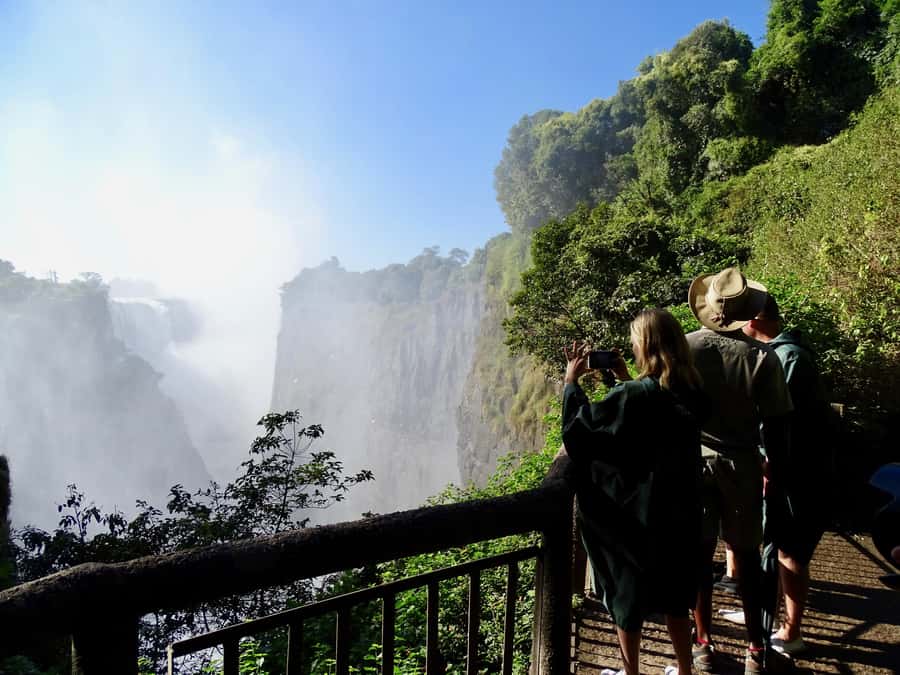
Victoria Falls is one of those places where one viewpoint cannot tell the whole story. The Zambian side tends to give you close contact with spray and rushing water, while the Zimbabwean side offers a more complete series of viewpoints across the falls.
Water levels matter. In the wet season, the spray can be intense and some views may be partly hidden by mist. In drier periods, more rock detail may show. The tour does not promise a particular water condition, so bring clothing that can handle getting wet and protect your electronics year-round.
Having guides on both sides also makes the visit easier. You do not need to work out which viewpoints fit into a short schedule or arrange separate transport between borders. That convenience is part of what you are paying for.
Still, do not assume the schedule fills every spare hour. The first two days can end early, giving you a chance to add your own plans. You can use that time to rest, visit another attraction, or take a taxi around town. The area is described as fairly easy to navigate by taxi, so independent exploring is practical for visitors who want more than the set program.
Day three: Chobe by game vehicle and river boat
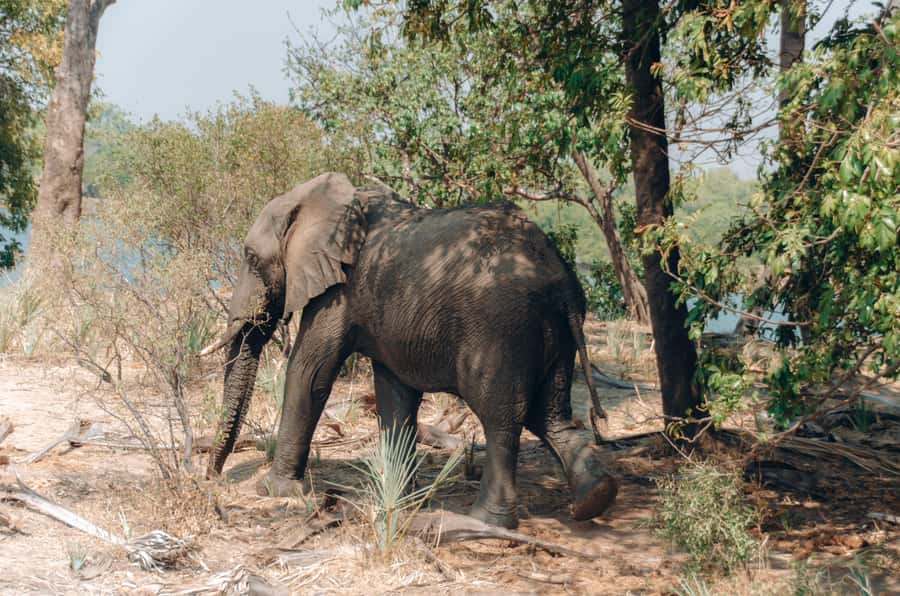
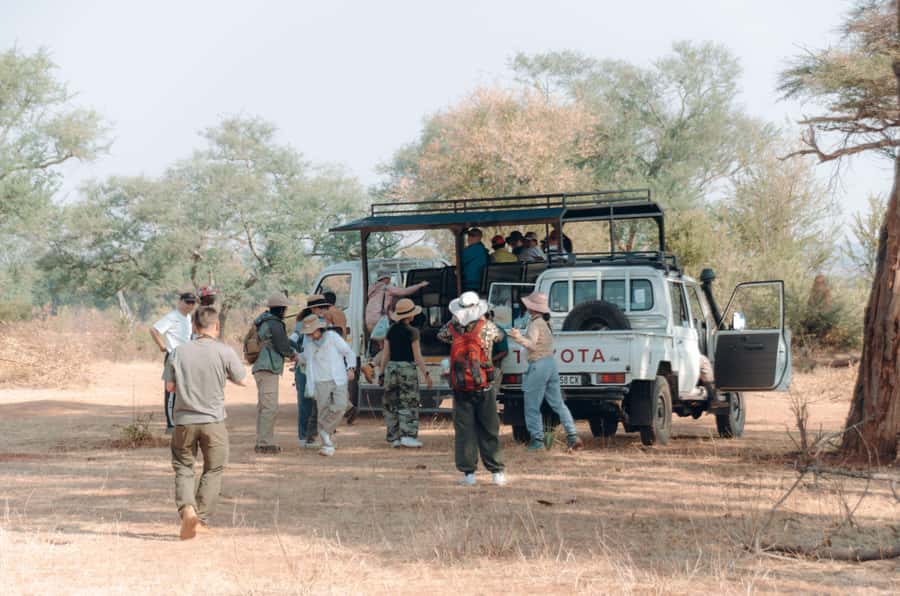
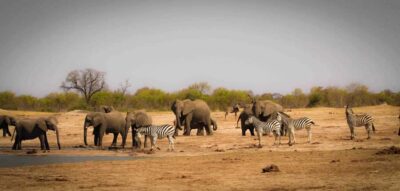
Day three is the tour’s longest and strongest wildlife day. You leave early for Botswana and Chobe National Park, a large protected area known especially for its elephants. The day includes a morning game drive, lunch at a lodge, and an afternoon boat safari on the Chobe River.
The road and border process mean that an early departure matters. One useful criticism of the schedule is that the game drive could begin earlier, around 5:00 or 6:00 a.m., since animals may be less active by the time you reach Botswana. If wildlife is your main reason for booking, ask about the actual departure and park-entry timing before you commit.
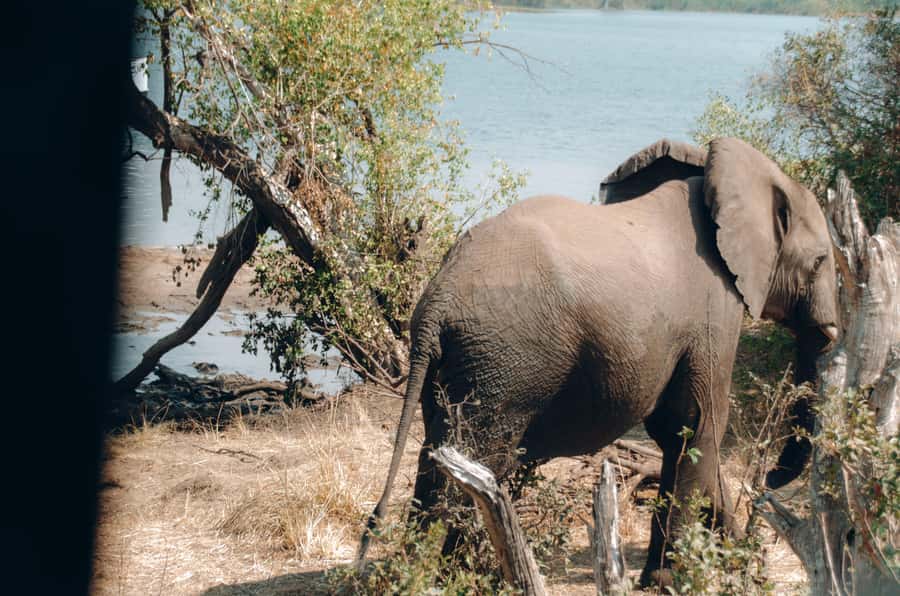
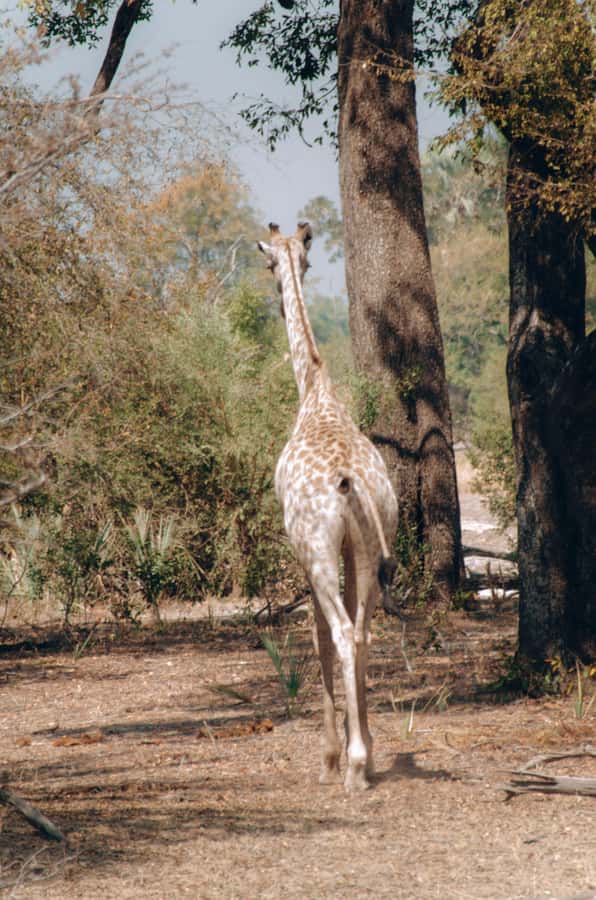
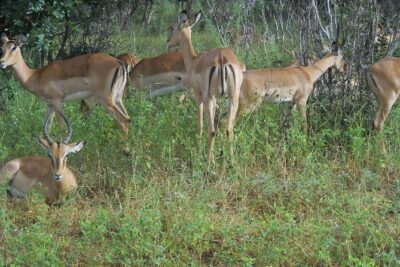
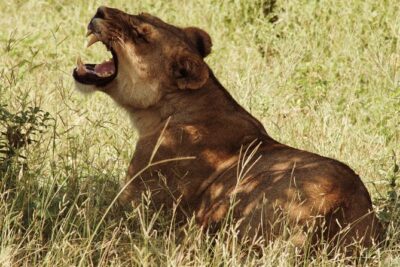
The game drive may produce sightings of lions, leopards, buffalo, giraffes, elephants, and other animals. No responsible safari can promise a particular species, but Chobe gives you a good mix of habitat and wildlife possibilities. Keep your camera ready, but listen to your guide rather than spending the entire drive staring through a screen.
Lunch is included on this day at a lodge in Chobe. This is the only clearly included meal described in the program, so bring money for food on days one and two and plan for drinks or snacks as needed.
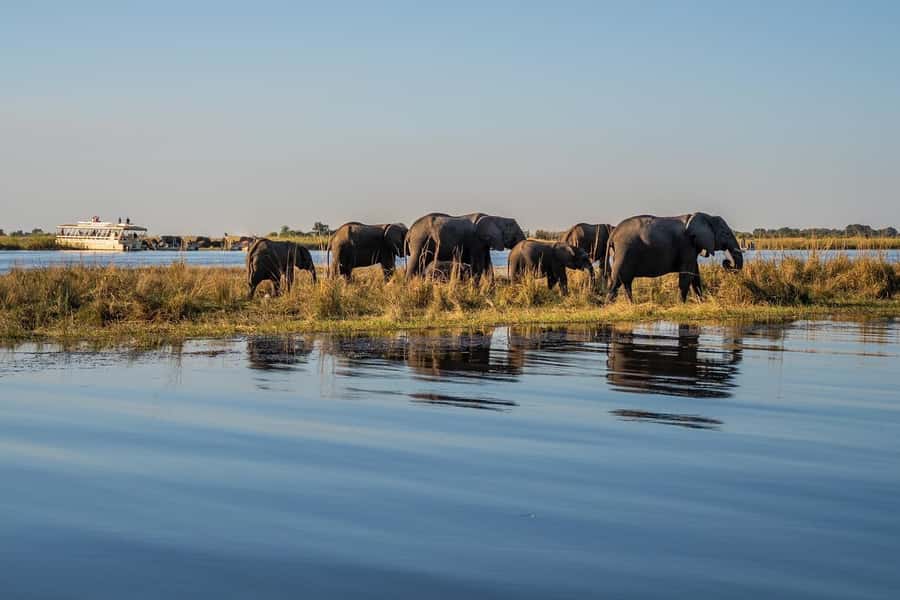
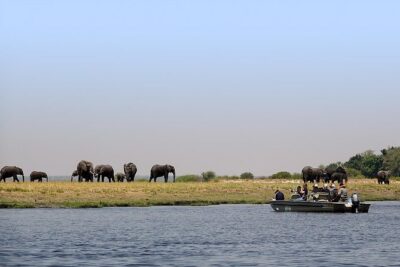
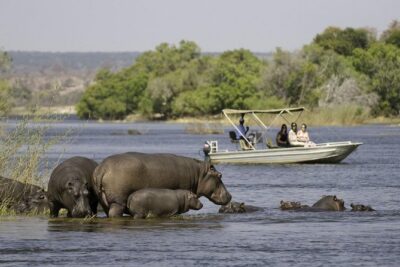
The afternoon boat safari is a major reason this day earns its place in the package. From the water, you may see hippos, crocodiles, and elephants near the river. The boat changes your viewing angle completely. Instead of following tracks on land, you watch animals gather along the shoreline and take in the river scenery at a slower pace.
The boat portion has drawn particularly strong praise, and I can understand why. It adds variety after the game drive and often gives you close views of large animals without the constant jolting of a vehicle. Follow the rules about noise, feeding animals, alcohol, and staying seated or quiet when instructed.
You return to Livingstone in the evening. That makes day three a long day, but it also delivers the fullest wildlife program of the three days. If you only have one day for Chobe, combining the game drive and boat safari is a sensible use of it.
More three-day trips:
- 3 Days Tour at Chobe Park and Victoria Falls with Airport Pickup
★ 5.0 · 18 reviews - 3 Days in Victoria Falls & Chobe National Park Combo
★ 4.5 · 9 reviews - 3 Day Chobe National Park Camping Tour
★ 4.5 · 6 reviews - 3 Days & 2 Nights Whitewater Rafting Victoria Falls
★ 5.0 · 5 reviews
Guides, transport, and the human side of the trip
The tour uses English-speaking guides and includes transport between Zambia, Zimbabwe, and Botswana. That saves you from arranging separate drivers, park entries, and border transfers, which can be awkward when time is short.
The guide team can vary by country. Stacey, Caesar, Veronika, and David have been praised for keeping the atmosphere friendly and sharing personal knowledge about their countries and upbringing. David, in particular, has been credited with making the long drives feel more like part of the adventure than dead time.
Other guide names associated with the different sections include Large in Botswana, Vincent in Zimbabwe, and Mwahamubi in Zambia. Guide quality matters here because the trip crosses borders and shifts between wildlife tracking, museum interpretation, cultural explanation, and safari guiding.
Transport time is unavoidable. You will cross international borders, drive to Chobe, and return to Livingstone, so this is not a restful base-and-day-trip holiday. If you dislike early starts or long vehicle days, the compact schedule may feel tiring.
The rules are simple and sensible: no smoking, drugs, alcohol in the vehicle, feeding animals, explosive substances, or excessive noise. These limits protect both you and the wildlife, especially during rhino tracking and safari stops.
What the $500 price really covers
At $500 per person, the cost is best judged as a package of access and coordination rather than three days of meals or lodging. Included are the rhino walk, Livingstone Museum, guided falls visits on both sides, Mukuni Village, Chobe’s game drive and boat cruise, professional guides, park fees, and cross-border transport.
The package does not include accommodation, meals on days one and two, or visas. Those exclusions can add a noticeable amount to your total, especially if you are not already staying in Livingstone or Victoria Falls.
I think the price is good for a short stay because arranging all of this independently would require several separate bookings and careful attention to opening times, park fees, vehicles, and borders. The value is strongest for a first visit or anyone staying only a few days.
The price is less convincing if you have several extra days and enjoy arranging your own taxis, guides, and park visits. You may prefer to split the activities, start Chobe earlier, or spend more time at each waterfall viewpoint.
Free cancellation up to 24 hours before the start and reserve-now-pay-later terms provide useful flexibility. These are helpful when your wider southern Africa plans depend on border conditions or changing flight schedules.
Who should book this three-country trip?
I would recommend it to you if you want a high-impact introduction to the region and do not want to organize three countries yourself. It suits couples, families with children old enough for the wildlife activities, solo visitors, and anyone based in Livingstone or Victoria Falls with limited time.
It is especially good for people who want variety. In three days, you walk near rhinos, visit a museum, see a traditional village, stand at Victoria Falls from two countries, ride through Chobe, and cruise the river.
You should think twice if you need a slow itinerary, have mobility limits, or dislike walking and long road transfers. The tour is not suitable for pregnant people, wheelchair users, or people with back problems.
It also may not suit you if the cultural visit makes you uncomfortable when craft sellers encourage purchases. You can manage the situation with a clear budget and polite boundaries, but it is worth knowing beforehand.
Pack light, breathable clothing, sturdy shoes, a hat, sunscreen, sunglasses, insect repellent, binoculars, a camera, a light rain jacket, and personal medication. Keep your passport accessible, and do not leave visa planning until the night before departure.
Should you book it?
Book this tour if you want the main sights around Victoria Falls plus a serious taste of wildlife in one compact package. The Chobe boat safari and rhino walk give it more character than a basic falls transfer, and the two-country waterfall visits make good use of your time.
I would book it with two expectations: the first two days may leave free afternoons, and the third day may be long. Confirm your border documents, ask about the Chobe start time, and budget separately for meals and accommodation.
For a short visit, $500 is a reasonable price for the amount of transport, guiding, and park access involved. For a longer stay, consider using the free afternoons to add your own activities or arranging a slower custom plan.
FAQ
How long is the tour?
The experience lasts three days.
What time is pickup?
Pickup generally takes place between 6:50 and 7:00 a.m. The exact time is confirmed after booking, and you should wait in your hotel or lodge lobby from five minutes before pickup.
Where can pickup and drop-off take place?
Pickup and drop-off are available from hotels and lodges in Livingstone, Zambia, Victoria Falls town in Zimbabwe, or Kasane in Botswana.
Is accommodation included?
No. You need to arrange and pay for your own accommodation.
Are meals included?
Lunch at a lodge in Chobe is included on day three. Meals on days one and two are not included.
What visa should I use for the border crossings?
The KAZA UniVisa is recommended because it allows multiple entries into Zambia and Zimbabwe and covers a day trip to Botswana. You must check the visa requirements for your nationality.
What age must children be for the wildlife activities?
Children must be at least five years old for the rhino tracking and game drive, and children must be accompanied by an adult.
Is the tour available in English?
Yes. The tour uses a live English-speaking guide.
Can I cancel the booking?
You can cancel up to 24 hours in advance for a full refund.
Recently added in Victoria Falls
- From Victoria Falls: Hwange National Park Day Safari★ 4.5 · 3 reviews
- Victoria Falls Private Guided Tour★ 4.5 · 3 reviews
- African Village Tours★ 4.5 · 3 reviews
- Boma Dinner & The Drum Show Experience★ 4.5 · 3 reviews
- Victoria Falls: Whitewater Rafting + Chobe Safari Combo★ 5.0 · 3 reviews
- Zambezi Sunset Cruise In Victoria Falls★ 4.5 · 3 reviews
- Guided Tour Of The Majestic Victoria Falls/Sunrise Tour★ 5.0 · 3 reviews
- Victoria Falls and Harare Airport Transfers and Car Rentals★ 4.0 · 3 reviews
Chobe National Park Safaris, compared.
Chobe Extended Day Trip from Victoria Falls – Zimbabwe
Read our review →Browse the lists this tour appears in