
Reviewed · VICTORIA FALLS
13 Days Best Of Zimbabwe
Zimbabwe rewards a longer look. This 13-day guided journey links Victoria Falls, Hwange, Matobo Hills, Great Zimbabwe, Gonarezhou, Vumba, Nyanga, and Harare in one carefully planned route. I like the combination of major sights and quieter stops, especially the chance to track rhinos, visit ancient stone ruins, and watch for elephants in Gonarezhou.
I also like the practical setup: a personal guide and chef, supplied accommodation, transport, park entry fees, and most meals. The main drawback is that game drives are not included in the $3,550 price, and several afternoons are left open for optional activities. You need to budget for those extras and prepare for long road sections between Zimbabwe’s far-flung parks.
In This Review
- Key Points to Know Before Booking
- What the $3,550 Price Really Buys
- Victoria Falls and the Zambezi Start
- Hwange National Park: Wildlife With Extra Costs
- Matobo Hills and the Cecil Rhodes Site
- Great Zimbabwe, an Ancient Stone Capital
- Gonarezhou, the Place of Elephants
- Vumba and Nyanga in Zimbabwe’s Eastern Highlands
- The Guide, Chef, and Group Size
- Road Time, Open Afternoons, and Practical Planning
- Who Will Get the Most From This Tour?
- Should You Book 13 Days Best of Zimbabwe?
- FAQ
- How long is the Best of Zimbabwe tour?
- What is included in the price?
- Are game drives included?
- How many people can join the tour?
- What time does the tour start?
- What is the cancellation policy?
Key Points to Know Before Booking
- Victoria Falls begins the trip well: You see the Falls on foot with a guide, then visit a local art and crafts centre.
- A chef travels with you: Breakfast is included for all 13 days, with 10 lunches and 10 dinners also covered.
- Wildlife is broad, not guaranteed: Hwange and Gonarezhou offer strong wildlife settings, but game drives cost extra.
- Great Zimbabwe adds real historical weight: The ancient stone city dates to around the 11th century and is a World Heritage Site.
- Small-group travel keeps it personal: The maximum group size is 16, and the tour operates in multiple languages.
- The price covers the basics well: Accommodation, transport, guide services, meals listed above, and park fees are included, but drinks, insurance, tips, laundry, and upgrades are not.
What the $3,550 Price Really Buys
At $3,550 per person, this is not a budget hop-on, hop-off holiday. It is a multi-region trip with a guide, chef, transport, lodging, park fees, and a large amount of planning handled for you.
The value improves if you would otherwise arrange separate transfers, park admissions, accommodation, and meals across Zimbabwe. You also avoid the work of connecting Victoria Falls with Hwange, Matobo Hills, Great Zimbabwe, Gonarezhou, the Eastern Highlands, and Harare.
The important catch is the wildlife budget. Game drives are listed as optional and excluded from the price. That matters most in Hwange and Gonarezhou, where a standard visit may feel incomplete if you only see the parks from the road or camp area. Ask for current game-drive prices before booking so you know the true total.
Drinks and mineral water are also excluded. Personal expenses, laundry, tips, travel insurance, sleeping bag and pillow, accommodation upgrades, and activities not specifically listed are extra. The supplied information does not identify the accommodation properties or room categories, so ask about lodge standards, room arrangements, and what bedding is provided.
The meal plan needs a close look. You receive 13 breakfasts, 10 lunches, and 10 dinners. That suggests some meals are not covered, likely during open afternoons or travel transitions, but the exact gaps are not stated. Get a day-by-day meal schedule before paying.
Other trips in Victoria Falls people book on the same visit:
- Helicopter Scenic Flight over Victoria Falls 12-13 minutes Flight
★ 5.0 · 1,391 reviews - Dinner Cruise on the Zambezi River
★ 5.0 · 518 reviews - Helicopter Scenic Flight over Victoria Falls 25-27 Minutes Game
★ 5.0 · 286 reviews
Victoria Falls and the Zambezi Start
The trip opens with a two-hour cruise from the Zambezi River Cruise Terminal. You can relax with complimentary drinks and snacks while watching the river. Depending on the season, animals may come down to drink.
This is a gentle first day. After travel, a boat ride gives you time to settle in without a demanding hike or long museum visit. Wildlife sightings are possible, not promised, so think of the cruise first as a scenic introduction to the Zambezi.
The next day brings the main Victoria Falls visit. A guided walk explains how the Falls formed and covers local customs and traditions connected with the area. The outing ends at a local art and crafts centre, which gives the visit a cultural finish instead of making it only a viewpoint stop.
The Falls are one of the seven natural wonders of the world, and the short two-hour format keeps this introduction manageable. Still, you should check how much free time you have around the guided visit. A major sight like Victoria Falls can reward extra time, especially if weather or seasonal water levels affect the views.
Hwange National Park: Wildlife With Extra Costs
Hwange follows Victoria Falls, with an optional game drive listed for the second day and morning game drives on the third. Hwange is one of the main wildlife stops on the route, so this is a place where your extra activity budget matters.
The listed visits are about three hours each. That is enough for a useful outing, but it is not the same as spending full days on safari. Since the drives are not included, ask whether the optional drives use the tour vehicle, a park vehicle, or another operator. Also ask how many drives are recommended and what each one costs.
The schedule gives you a free afternoon on Day 4. That is welcome after early wildlife outings and road travel. It also gives you a chance to add an activity, rest, or simply catch up on laundry, though laundry itself is not included.
The best approach is to treat Hwange as a chance to see wildlife rather than a guarantee of particular animals. The itinerary does not promise the Big Five or any single species. Your guide’s skill, the season, and time spent in the park will all affect what you see.
Matobo Hills and the Cecil Rhodes Site
Day 5 shifts from wildlife to history and striking rock scenery. The first stop is Cecil John Rhodes’s burial place, where he was laid to rest after his death in Muizenberg, Cape Town, in 1902.
This is a historically important but politically complicated stop. Rhodes played a major role in the colonial history of the region, and the site is best approached as part of that history rather than as a simple monument. Your guide’s explanation will matter here, particularly if you want context beyond the basic dates.
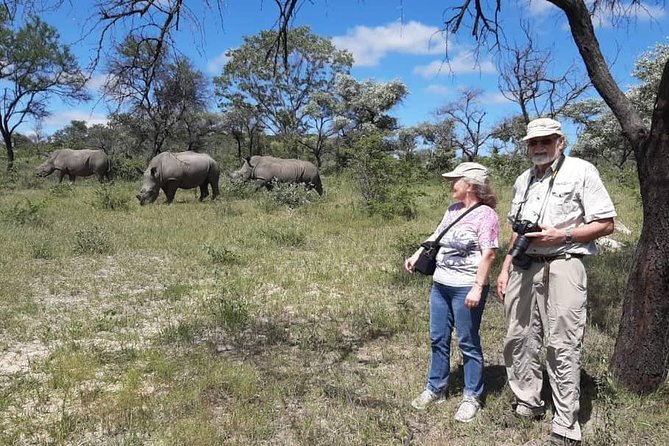
The same day includes rhino tracking in Matobo Hills. This is one of the more distinctive activities on the route. It offers a direct look at conservation work and animal behavior, rather than a standard vehicle-based wildlife outing.
The tracking visit lasts about three hours and admission is included. Wear practical clothing and shoes, since the activity is outdoors and may involve uneven ground. The details provided do not specify the exact walking conditions, so ask the operator what level of fitness is needed.
A very different kind of day in Victoria Falls:
- Zambezi River Class IV-V White-Water Rafting from Victoria Falls
★ 5.0 · 243 reviews - Chobe Day Trip From Victoria Falls Zimbabwe
★ 4.5 · 196 reviews - Dinner Cruise on the Zambezi River, Victoria Falls
★ 5.0 · 162 reviews - Sunset Cruise on the Zambezi River
★ 4.5 · 151 reviews
Great Zimbabwe, an Ancient Stone Capital
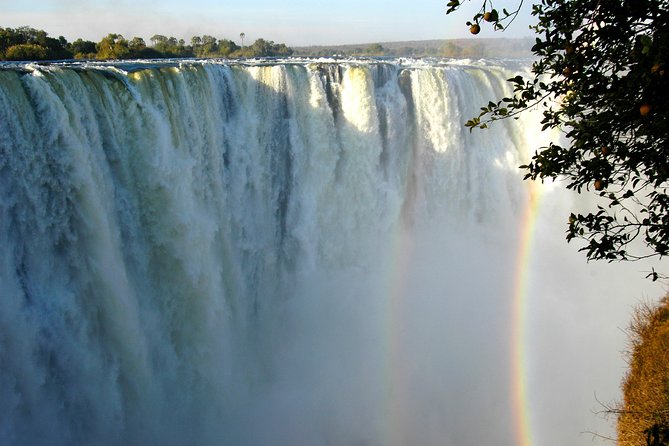
Great Zimbabwe National Monument is the historical centerpiece of the tour. This ancient city was once Zimbabwe’s capital and is the largest significant stone archaeological complex in sub-Saharan Africa.
The site is thought to date from around the 11th century. Its walls and towers were built from rectangular granite blocks stacked without mortar, with some sections reaching about 12 metres high. Great Zimbabwe became a UNESCO World Heritage Site in 1986.
You receive two hours here with admission included. That is enough to see the main stone structures and understand the site’s importance, but you may want to ask how much walking is involved and how the visit is paced. The complex is not just a quick photo stop. The stonework, scale, and setting make it one of the places where a guide can add real value.
I especially like that this stop breaks up the wildlife focus. Zimbabwe is not only a safari destination. Great Zimbabwe gives you a stronger sense of the country’s early urban history and its place in southern Africa.
Gonarezhou, the Place of Elephants
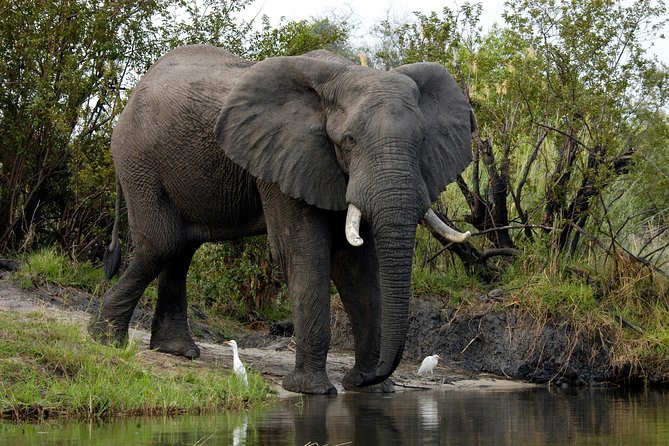
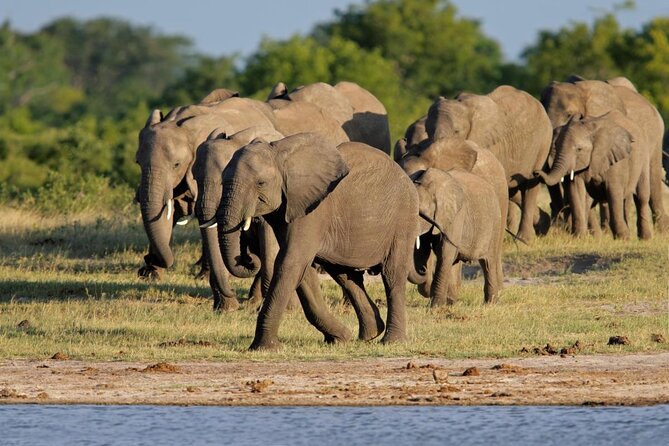
Gonarezhou means a place of elephants, and the name fits. The park is described as Zimbabwe’s second-largest national park, with more than 10,000 elephants. It includes floodplains, baobab-dotted scrubland, mopane woodland, and pale orange sandstone cliffs.
The two-day visit gives Gonarezhou more room than some of the other parks. One stop focuses on the river edge and birdlife. With luck, you might see a Pel’s Fishing Owl, while nyala, kudu, impala, and elephants may pass near camp.
The next day presents the broader park setting and its animal population. Gonarezhou has four of Africa’s Big Five: elephant, leopard, lion, and buffalo. That does not mean you will see all four. The park is large, and wildlife sightings depend on time, conditions, and the optional game-drive arrangements.
This is another place where the excluded game drives deserve attention. If wildlife is your main reason for booking, do not assume park entry alone includes safari outings. Confirm the schedule, vehicle, fees, and whether morning or afternoon drives are available.
Day 9 is another afternoon at leisure. These open periods can be useful on a demanding route, but they may feel empty if you prefer a packed schedule. Ask what optional activities can be arranged and whether they cost extra.
Vumba and Nyanga in Zimbabwe’s Eastern Highlands
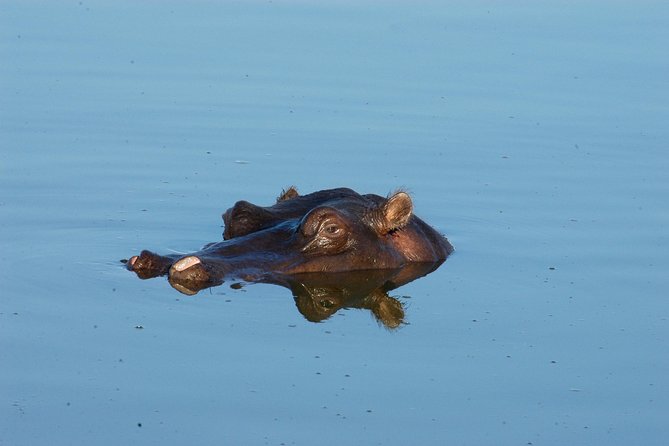
Day 10 introduces a greener, cooler-feeling part of Zimbabwe through the Vumba Botanical Gardens and Reserve. The 159-hectare park includes landscaped gardens, streams, a small lake, footpaths, indigenous orchids, ferns, and abundant birdlife.
You have two separate two-hour activities here: time in the botanical reserve and a scenic drive in Vumba. That combination works well. The walking portion lets you slow down and notice plants and birds, while the drive gives you a wider view of the area without turning the day into another long safari.
Admission is included for both activities. The gardens are a good change of pace after national parks and archaeological sites. If you enjoy botany, birdwatching, or quiet walks, this may become one of the tour’s most pleasant surprises.
Nyanga follows with trout fisheries, pit structures, and a museum. The two-hour stop adds more variety, mixing natural scenery, local food-related history, archaeology, and interpretation. Admission is listed as free.
The route then reaches Harare Province, where you have another afternoon at leisure on Day 12. Since the itinerary ends on Day 13 without a listed activity, confirm the exact final drop-off point and departure arrangements when you book.
The Guide, Chef, and Group Size
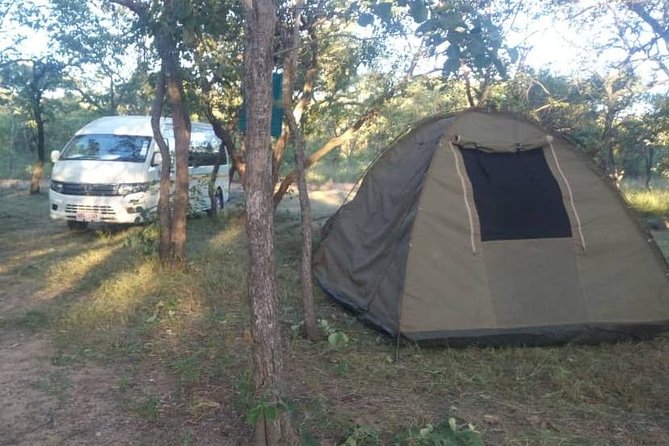
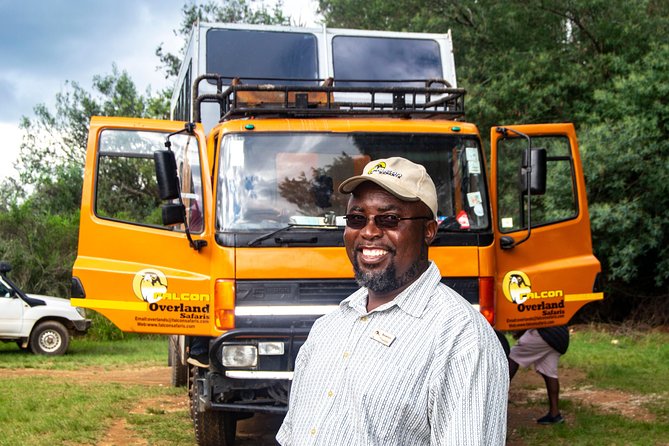
The human side of this tour may be its strongest feature. A guide and chef accompany the group, which means you are not simply being moved from one attraction to another. Meals are prepared during the trip, and the guide can connect wildlife, history, customs, and local places.
The maximum group size is 16. That is small enough for a more personal feel, though the actual group size may be lower or close to the limit depending on the date. The tour is offered in multiple languages, so confirm your preferred language before booking.
Several names connected with the operation are worth noting. Kelly is described as helpful and accommodating during arrangements. Newtone and Gertrude handled booking, transfers, and activities in a way that was described as professional and well organized. Falcon, who coordinated another custom Zimbabwe and regional route, was praised for being professional and quick to respond.
That practical support matters on a 13-day trip. Transport changes, park timing, meal needs, and optional drives can make or break a long itinerary. I would contact the company with specific questions before booking and judge how clearly they answer.
Road Time, Open Afternoons, and Practical Planning
The itinerary covers a wide section of Zimbabwe. That is its appeal, but it also means road travel is part of the experience. Exact driving times are not provided, so ask for a transfer schedule before you commit, especially if you dislike long days in a vehicle.
The open afternoons on Days 4, 9, and 12 give the trip breathing room. They may be used for rest or optional activities, but the available choices and prices are not specified. Treat these gaps as flexible time, not as guaranteed sightseeing.
The tour starts at 8:00 a.m. Pickup is offered, and confirmation is provided at booking. The experience is near public transportation, and most people can participate. The information does not give a detailed accessibility assessment, so anyone with mobility concerns should ask about vehicles, walking surfaces, steps, and the rhino-tracking portion.
Pack for a mixed trip: comfortable walking shoes for Victoria Falls, Great Zimbabwe, gardens, and Matobo Hills; practical clothes for wildlife outings; and personal items not supplied by the operator. A sleeping bag and pillow are excluded, so confirm whether you need to bring them for your specific accommodation arrangement.
You can cancel for a full refund up to six full days before the start time. Cancellation two to six days before the start brings a 50 percent refund, while cancellation less than two days before the start receives no refund. These cut-off times use local time.
Who Will Get the Most From This Tour?
I would recommend this route to you if you want a broad introduction to Zimbabwe without arranging every lodge, transfer, park fee, and meal yourself. It suits people who value a guide’s help and want more than Victoria Falls alone.
It is especially good for someone who wants several kinds of scenery and history in one trip: major waterfalls, river travel, wildlife parks, rhino tracking, ancient ruins, botanical gardens, and museums. The chef is a useful bonus if you prefer the convenience of planned meals.
You should think twice if your main goal is intensive safari time. The route includes several wildlife regions, but game drives cost extra, and some park visits are short. A safari-first itinerary with fewer destinations may offer more time in the bush.
I would also hesitate if you want complete control over your days. The schedule is guided and broad, with travel between distant regions. The free afternoons offer some flexibility, but this is still a structured group trip.
Should You Book 13 Days Best of Zimbabwe?
Book it if you want one organized route through Zimbabwe’s major natural and cultural sights, and if you value having a guide, chef, accommodation, transport, and park fees arranged together.
Before paying, get three things in writing: the accommodation names and standards, the exact game-drive costs, and the meals not covered by the 13 breakfasts, 10 lunches, and 10 dinners. Also confirm the vehicle, language, pickup details, and the amount of road time.
At $3,550, the tour can offer solid value for a full 13-day program, but only if you plan for the excluded extras. For a first trip to Zimbabwe, the mix of Victoria Falls, Great Zimbabwe, Matobo Hills, Gonarezhou, and the Eastern Highlands gives you a far fuller picture than a short Falls-and-safari package.
FAQ
How long is the Best of Zimbabwe tour?
The tour lasts approximately 13 days, beginning in Victoria Falls and ending after the Harare Province portion of the itinerary.
What is included in the price?
Accommodation, transport fees, park entry fees, a professional guide and chef, 13 breakfasts, 10 lunches, and 10 dinners are included.
Are game drives included?
No. Game drives are listed as optional activities and are not included in the tour price.
How many people can join the tour?
The maximum group size is 16 people.
What time does the tour start?
The listed start time is 8:00 a.m. Pickup is offered.
What is the cancellation policy?
You can receive a full refund by cancelling at least six full days before the start time. Cancelling two to six full days ahead gives a 50 percent refund. Cancellations less than two full days before the start are not refunded.
Recently added in Victoria Falls
- From Victoria Falls: Hwange National Park Day Safari★ 4.5 · 3 reviews
- Victoria Falls Private Guided Tour★ 4.5 · 3 reviews
- African Village Tours★ 4.5 · 3 reviews
- Boma Dinner & The Drum Show Experience★ 4.5 · 3 reviews
- Victoria Falls: Whitewater Rafting + Chobe Safari Combo★ 5.0 · 3 reviews
- Zambezi Sunset Cruise In Victoria Falls★ 4.5 · 3 reviews
- Guided Tour Of The Majestic Victoria Falls/Sunrise Tour★ 5.0 · 3 reviews
- Kasane Airport Transfers to Victoria Falls★ 5.0 · 3 reviews